

Effective Dental Cleaning Methods for Healthy Teeth
Comprehensive Guide to Maintaining Optimal Oral Health at Harborside Dental Gloucester, MA
Maintaining optimal oral health is crucial for both aesthetic and overall well-being, and effective dental cleaning methods play a vital role in achieving this goal. At Harborside Dental in Gloucester, MA, we emphasize a comprehensive approach that combines daily oral hygiene practices with regular professional cleanings. Daily brushing and flossing form the foundation of good dental health. It’s essential to brush your teeth at least twice a day using fluoride toothpaste and a soft-bristled toothbrush to effectively remove plaque and prevent cavities. Additionally, flossing daily helps eliminate food particles and plaque from between the teeth and along the gum line where toothbrushes can’t easily reach. Integrating antibacterial mouthwash can also enhance your oral hygiene routine by reducing bacteria and refreshing your breath.
Beyond daily care, visiting your dentist for professional cleanings every six months is pivotal in maintaining optimal oral health. These cleanings help remove tartar that may have developed despite regular brushing and flossing. During these visits, our experienced dental professionals at Harborside Dental utilize advanced techniques and tools to thoroughly clean your teeth and gums, ultimately reducing the risk of gum disease and decay. Additionally, each visit allows for the opportunity to assess your overall oral health and establish personalized strategies tailored to your specific needs. By adopting these effective dental cleaning methods, you can take significant steps towards achieving a healthy and radiant smile.
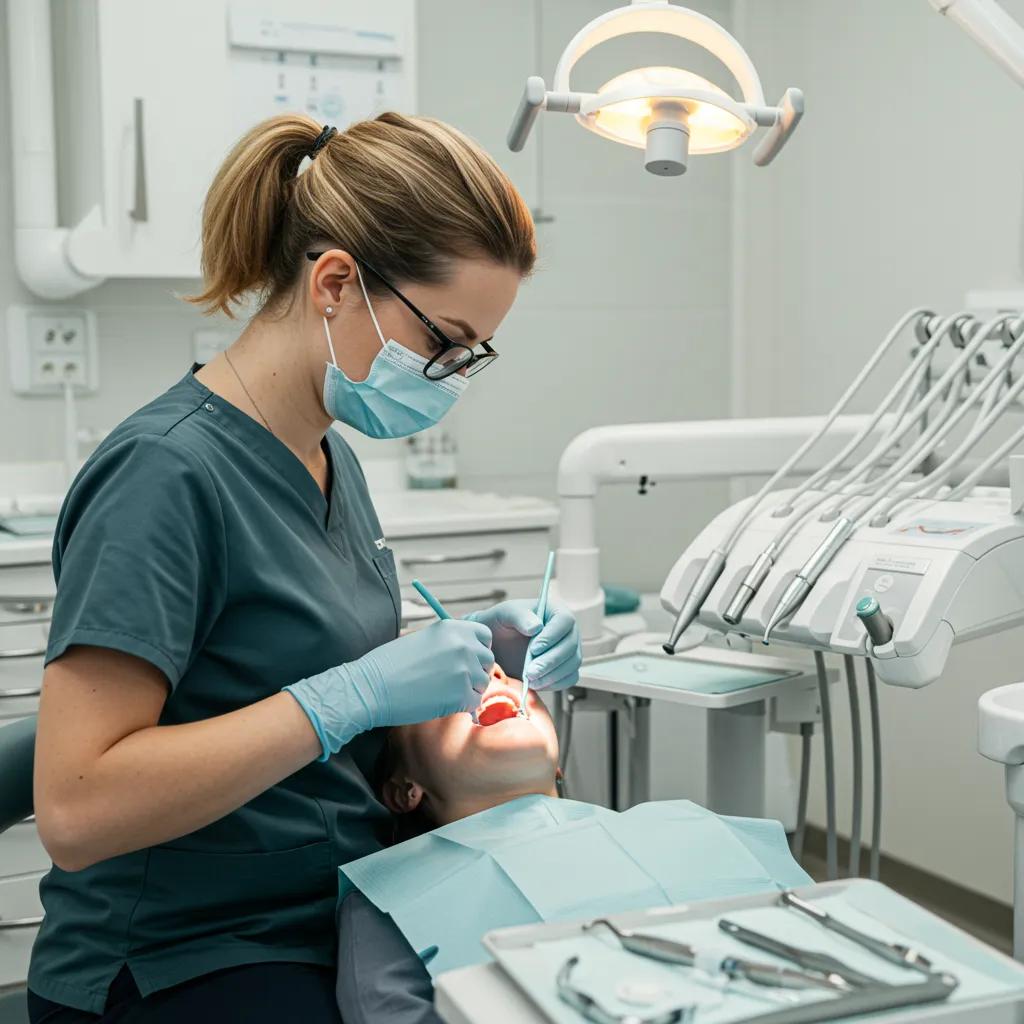
Professional dental cleanings expertly remove hardened plaque and tartar that everyday brushing and flossing can’t reach, helping to prevent cavities and gum disease while safeguarding your overall health. By understanding the most effective dental cleaning methods—from your regular check-up to advanced laser techniques—you’ll gain clarity on which treatment is best for you, when it’s needed, and how it boosts both your oral and systemic well-being. This guide covers:
- The full range of cleaning methods and their roles in prevention and treatment
- How each procedure enhances your oral hygiene and lowers health risks
- What to expect during your appointments, including comfort measures and the roles of our dental professionals
- Personalized schedules, cost considerations, and how insurance fits in
- Special approaches for children’s smiles and guidance on selecting the right method
Whether you’re searching for “teeth cleaning near me” or exploring advanced gum care options, this article provides clear steps to help you maintain healthy te
Discover Effective Dental Cleaning Methods for Optimal Oral Health
Dental cleaning involves a variety of professional procedures designed to clear away biofilm, stains, and hardened deposits from your teeth and beneath the gumline. This process is crucial for preventing disease and maintaining the integrity of your enamel. Each method is tailored to specific conditions: routine cleanings for ongoing maintenance, scaling and root planing for deeper periodontal pockets, gross debridement for significant buildup, maintenance cleanings after gum therapy, and laser cleaning for precise bacterial reduction. Knowing these differences ensures you receive care perfectly suited to your current oral hygiene.
What Is Routine Dental Cleaning (Prophylaxis) and How Does It Prevent Tooth Decay?
A routine dental cleaning, also known as prophylaxis, mechanically removes plaque and tartar from your tooth surfaces. This action halts the activity of acid-producing bacteria and prevents cavities. By scaling away deposits above the gumline, polishing your enamel, and applying fluoride, this preventive procedure strengthens your teeth and disrupts bacterial colonies before they can cause decay. For instance, a cleaning every six months reduces the tiny surface irregularities where dental plaque tend to stick, keeping your teeth smooth and healthy for your daily oral care routine.
When Is Deep Teeth Cleaning (Scaling and Root Planing) Necessary?
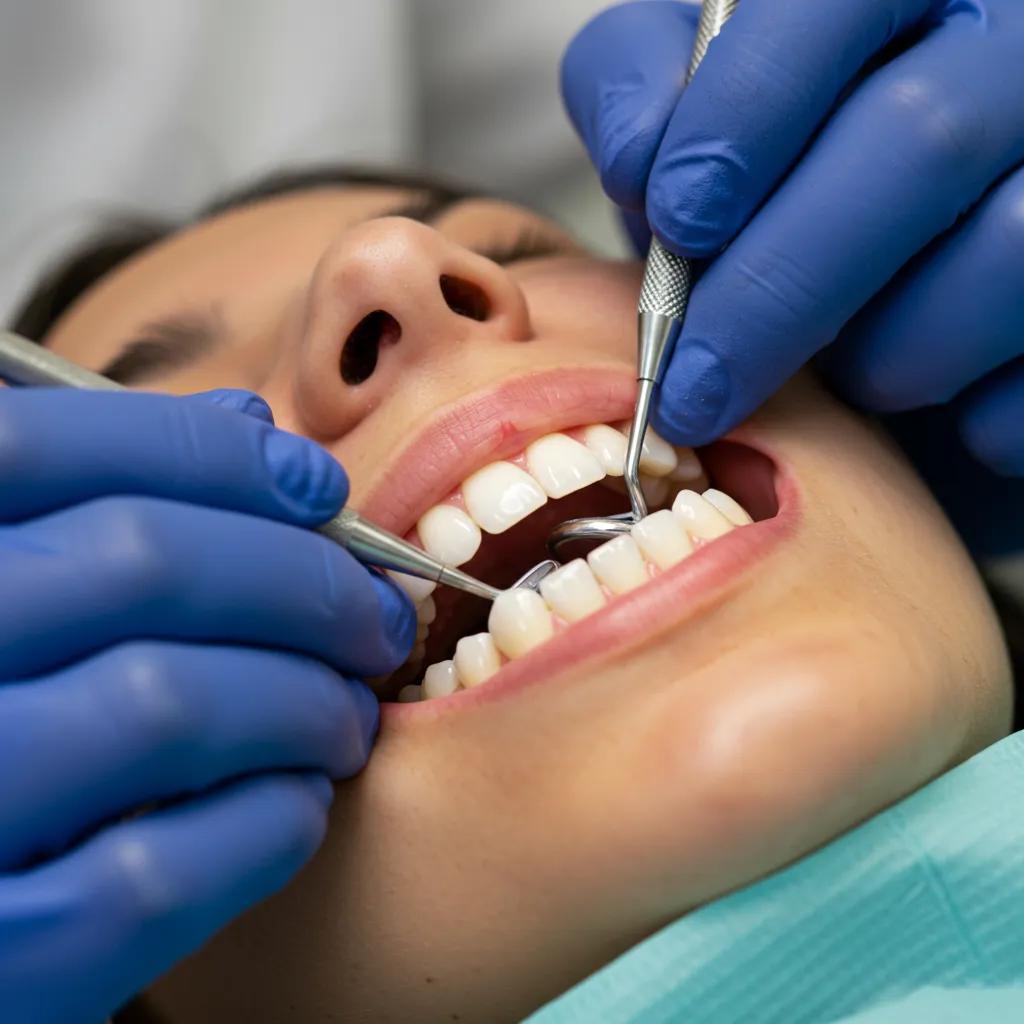
Deep teeth cleaning, or scaling and root planing, is recommended when periodontal pockets measure over 3 mm and hardened calculus below the gumline is causing inflammation. This therapeutic procedure addresses early to moderate periodontitis by thoroughly removing bacterial deposits from beneath the gumline and smoothing the root surfaces to encourage gum reattachment. Patients who experience bleeding gums, persistent bad breath, or notice their teeth feel loose often benefit greatly from this targeted therapy to halt disease progression and stabilize their gum health.
Before we dive deeper, let’s look at a table that highlights the key differences between these methods:
| Cleaning Type | Ideal Candidates | Core Benefits |
|---|---|---|
| Routine Prophylaxis | Patients with healthy gums | Removes plaque and tartar to prevent cavities and gingivitis |
| Scaling & Root Planing | Individuals with periodontal pocket depths ≥ 3 mm | Eliminates subgingival calculus to reduce inflammation and bone loss |
Comparing these methods clearly shows how personalized periodontal care builds upon your regular maintenance to ensure long-term gum health.
What Is Gross Debridement and When Is It Used?
Gross debridement is performed to clear away extensive plaque and heavy tartar buildup that obscures your tooth surfaces, making a thorough oral examination possible. This initial procedure quickly removes large deposits, allowing for an accurate assessment of any decay or periodontal disease. When patients haven’t had professional dental care for some time and present with significant calculus accumulation, gross debridement restores visibility and prepares the mouth for subsequent prophylaxis or periodontal treatment.
How Does Periodontal Maintenance Support Long-Term Gum Health?
Periodontal maintenance involves regular, specialized cleanings following active treatment for gum disease to prevent it from returning. By combining subgingival instrumentation, antimicrobial rinses, and close monitoring every 3–4 months, these maintenance cleanings help keep your gum tissues healthy and prevent pockets from deepening again. For patients who have undergone treatment for periodontitis, this ongoing care is essential for preserving gum attachment and reducing the risk of tooth loss, reinforcing the foundation established by the initial deep cleaning.
What Are Advanced Cleaning Techniques Like Laser Cleaning?
Laser cleaning utilizes focused light energy to precisely remove bacteria and diseased tissue from periodontal pockets, promoting faster healing and reducing discomfort. This advanced therapy targets microbial biofilms while carefully preserving healthy tissue, often leading to less bleeding and swelling. As a complementary treatment to scaling and root planing, laser cleaning enhances bacterial reduction, speeds up tissue regeneration, and offers a less invasive option for patients who are more sensitive.
How Do Dental Cleaning Methods Improve Oral and Overall Health?
Professionally removing plaque and tartar helps reduce gum inflammation and the overall bacterial load in your mouth. This, in turn, can lower systemic inflammatory markers that are linked to conditions like cardiovascular disease and complications from diabetes. By regularly clearing away harmful biofilms, dental cleanings also freshen your breath, protect your enamel, and aid in the early detection of oral health issues, creating a healthier mouth that positively impacts your entire body’s wellness.
How Does Removing Plaque and Tartar Prevent Gum Disease and Tooth Decay?
Removing plaque (a sticky film of bacteria) and tartar (hardened plaque) disrupts the production of acids and inflammatory triggers that lead to enamel erosion and gum inflammation. By eliminating these deposits, procedures like prophylaxis and scaling effectively block the pathways that cause cavities and tooth decay, preserving your tooth structure and gum integrity.
Can Dental Cleanings Help Reduce Bad Breath (Halitosis)?
Absolutely. Professional cleanings effectively remove odor-causing bacteria and debris from deep gum pockets and the tongue’s surface, leading to noticeably fresher breath. Polishing and the use of antimicrobial rinses further help neutralize volatile sulfur compounds, enhancing your oral freshness between dental visits.
What Is the Link Between Dental Cleanings and Overall Health?
Regular dental cleanings can help lower systemic inflammation by reducing the presence of oral bacteria that may enter the bloodstream. This is associated with a lower risk of heart disease, stroke, and adverse pregnancy outcomes. Maintaining healthy gums through professional care supports better cardiovascular function and metabolic regulation, contributing to your overall health.
How Do Dental Cleanings Aid in Early Detection of Oral Health Issues?
Dental cleanings include thorough oral examinations—visual checks, periodontal charting, and X-rays—that help detect early signs of cavities, deepening gum pockets, or potentially precancerous lesions. Early diagnosis allows for less invasive treatments, significantly improving the success of interventions and helping to preserve your natural teeth.
What Should You Expect During Your Dental Cleaning Appointment at Harborside Dental Gloucester, MA?
During your dental cleaning appointment, our skilled dental hygienist will perform a detailed examination, remove deposits using specialized instruments, polish your enamel to a smooth finish, and apply a preventive fluoride treatment to strengthen your teeth. This structured process is designed to protect your oral hygiene foundation and provide personalized recommendations based on our clinical findings.
Who Performs Dental Cleanings: Dentist vs. Dental Hygienist?
Dental hygienists are specialists in preventive care and typically perform most cleanings under the supervision of a dentist. Dentists, on the other hand, handle more complex diagnoses, advanced periodontal treatments, and restorative procedures. This collaborative approach ensures expert plaque removal is combined with a professional evaluation of your entire oral structure.
Including a thorough oral exam by the dentist enhances the accuracy of the cleaning and the effectiveness of your treatment plan. You can learn more about the crucial role of dental examinations in planning your care on our Importance of Dental Examination page.
What Are the Steps Involved in a Routine Cleaning Procedure?
A professional teeth cleaning typically follows these steps:
- Initial Exam: We assess your gum pockets, tooth surfaces, and soft tissues.
- Scaling: We remove plaque and tartar above the gumline using manual or ultrasonic instruments.
- Polishing: We use an abrasive paste to smooth enamel and remove surface stains.
- Flossing: We clean between your teeth to ensure complete cleanliness.
- Fluoride Application: We apply fluoride to strengthen enamel and help it resist acid attacks.
These sequential actions work together to restore smooth tooth surfaces and prepare your enamel for your daily oral hygiene routine.
How Is Deep Cleaning Performed Differently?
Deep cleaning involves more extensive scaling below the gumline using specialized instruments called curettes. We also smooth the root surfaces, a process called root planing, to discourage bacteria from reattaching. Local anesthesia or a numbing gel is often used to ensure your comfort during this procedure, and follow-up visits are scheduled to monitor healing and check for reductions in pocket depth.
How Is Patient Comfort Managed During Cleanings?
We prioritize your comfort throughout the cleaning process. This includes using topical anesthetics, offering warm saline rinses, employing noise-reducing equipment, and maintaining clear communication every step of the way. Harborside Dental is dedicated to your well-being, ensuring gentle care and personalized strategies to manage any anxiety you might feel. Learn more about our approach to patient care on our Commitment to Patient Wellness page.
How Often Should You Get a Dental Cleaning for Healthy Teeth?
For most people, a professional cleaning every six months is ideal for removing plaque buildup and maintaining healthy gums. However, individuals with certain risk factors—such as diabetes or a history of periodontal disease—may need more frequent visits to prevent recurrence and protect their overall health.
What Are the American Dental Association Recommendations?
The American Dental Association suggests cleanings twice a year for individuals with healthy gums and no active dental disease, which helps ensure effective plaque control and early detection of any potential issues.
How Does Frequency Vary Based on Individual Oral Health Needs?
Patients who tend to accumulate plaque quickly, use tobacco, or have compromised immune systems often benefit from dental cleanings every 3–4 months. This allows for close management of bacterial activity and gum inflammation.
When Are More Frequent Cleanings Needed for Gum Disease?
After completing active treatment for periodontal disease, periodontal maintenance appointments are typically scheduled every 3–4 months. This helps maintain tissue stability, reduce pocket depths, and prevent further loss of gum attachment.
What Are the Costs and Insurance Coverage Options for Dental Cleanings in Gloucester, MA?
The cost of dental cleanings can vary depending on the complexity of the procedure and local pricing. Many insurance plans offer comprehensive coverage for preventive services, helping to make regular care more accessible. Understanding these factors can assist you in budgeting for your dental care and avoiding unexpected expenses.
| Procedure | Typical Cost (No Insurance) | Insurance Coverage |
|---|---|---|
| Routine Prophylaxis | $75 – $200 | Often 100% covered under preventive dental benefits |
| Scaling and Root Planing (Full Mouth) | $300 – $800 | Partially covered with copay or deductible |
How Much Does Routine Dental Cleaning Typically Cost Without Insurance?
Without insurance, routine cleanings generally range from $75 to $200, with the price varying based on the practice’s location and the specific services included, such as polishing and fluoride treatments.
What Is the Cost Range for Deep Teeth Cleaning (Scaling and Root Planing)?
Deep cleanings typically cost between $100 and $300 per quadrant, or $400 to $1,200 for the entire mouth. These costs can fluctuate depending on the severity of the pocket depths and whether anesthesia is needed.
Which Dental Insurance Plans Cover Dental Cleanings?
Most PPO and HMO dental insurance plans provide 100% coverage for two preventive cleanings annually. For more extensive procedures, coverage may have limitations, copayments, or annual maximums.
How Can You Find Affordable Dental Cleaning Services in Gloucester and Surrounding Areas?
Residents in Gloucester, Rockport, and Essex can explore community health centers that offer sliding-scale fees. Alternatively, you can inquire about flexible payment options at Harborside Dental’s general and family dentistry services to ensure you can access comprehensive preventive care.
How Are Dental Cleanings Tailored for Children and Pediatric Oral Health?

Pediatric dental cleanings involve specialized instruments, adjusted fluoride concentrations, and adapted communication techniques to protect developing enamel and foster positive experiences that encourage lifelong oral hygiene habits. By using child-friendly approaches, our dental professionals ensure effective removal of biofilm while minimizing any anxiety for your child.
American Academy of Pediatric Dentistry, “Guidelines on Pediatric Oral Health” (2023)
When Should Children Have Their First Dental Cleaning?
Children should have their first professional dental cleaning within six months of their first tooth appearing, or by the time they turn one year old. This establishes essential preventive habits and allows for early detection of any developmental concerns.
What Are Child-Friendly Cleaning Techniques Used by Dental Professionals?
dental teams utilize smaller, rounded instruments, the”tell-show-do” educational method, and distraction tools like cartoons to help children feel comfortable and cooperative during their
How Do Fluoride Treatments and Sealants Protect Children’s Teeth?
Topical fluoride treatments strengthen immature enamel, while sealants applied to the chewing surfaces of back teeth create a protective barrier against tooth decay. These preventive measures can reduce the risk of cavities in treated teeth by up to 80%.
How Can You Choose the Right Dental Cleaning Method for Your Oral Health Needs?
Selecting the most suitable cleaning method starts with a thorough dental examination to assess plaque buildup, gum pocket depths, and the overall health of your gum tissues. This evaluation helps us create a personalized plan—whether it involves routine prophylaxis, scaling and root planing, or ongoing maintenance therapy—to achieve the best possible outcomes and protect your smile.
What Factors Does Your Dentist Consider When Recommending a Cleaning Type?
Your dentist will consider your gum health, measurements of your periodontal pockets, the amount of tartar buildup, your medical history (including conditions like diabetes), and your personal comfort preferences to recommend the most effective cleaning method for your long-term oral health.
How Do You Prepare for Your Dental Cleaning Appointment?
To prepare for your appointment, please brush and floss your teeth thoroughly. Bring an updated list of your medical history, plan to arrive on time, and don’t hesitate to communicate any sensitivity or anxiety you may have to our dental care team.
How Can You Schedule Your Dental Cleaning at Harborside Dental in Gloucester, MA?
To schedule your appointment, you can explore Harborside Dental’s general and family dentistry services for easy online booking, or simply call our Gloucester office to reserve your preferred date and time. We look forward to providing you with expert preventive care for healthy teeth and gums.
Routine professional cleanings are fundamental to preventive dentistry. Choosing the right method based on your specific oral health status maximizes the benefits of cavity prevention, gum stability, and overall well-being. By partnering with trusted providers like Harborside Dental, you receive personalized, comprehensive care tailored to every stage of your oral hygiene.