Dental Implant Placement Process
Dental implants are a popular solution for missing teeth, offering a permanent and natural-looking restoration. The implant placement process involves carefully planning the procedure, surgically placing the implant into the jawbone, and allowing time for the implant to integrate with the bone before attaching the final restoration.
During the initial consultation, your dentist will assess your oral health, discuss your treatment goals, and develop a customized plan for your dental implant procedure. This may include taking X-rays, 3D scans, or impressions of your teeth to ensure the implant is placed in the optimal location.
Maintaining Dental Implants
Proper care and maintenance are essential for the long-term success of dental implants. This includes practicing good oral hygiene, such as brushing, flossing, and using antibacterial mouthwash, to prevent peri-implant diseases like peri-implantitis.
Regular dental check-ups and professional cleanings are also crucial for monitoring the health of your implants and ensuring they continue to function properly. Your dentist may also recommend specific products or techniques to help you clean around your implants effectively.
The Benefits of Dental Implants
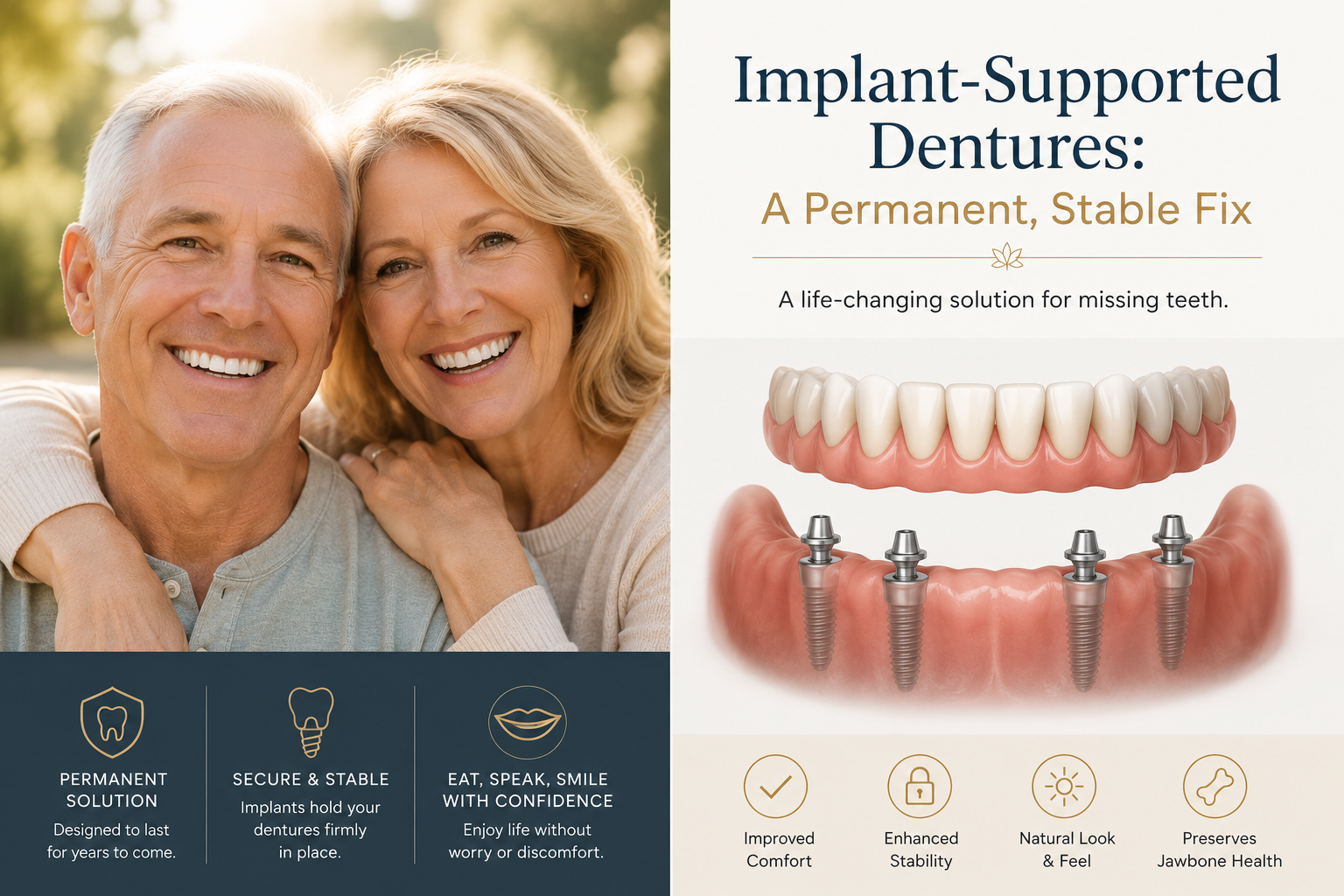
Dental implants offer a range of benefits that make them a popular choice for replacing missing teeth. They provide a stable and secure foundation for your new teeth, allowing you to enjoy a natural-looking smile and improved chewing function.
Compared to traditional tooth replacement options like bridges or dentures, dental implants are more durable and require less maintenance. They also help preserve the integrity of your jawbone, preventing the bone loss that can occur when teeth are missing.
Addressing Common Concerns About Dental Implants
Some people may have concerns about the dental implant process, such as the cost, the length of treatment, or the potential for complications. It's important to have an open discussion with your dentist to address these concerns and understand the benefits and risks of the procedure.
Your dentist can provide personalized information about the expected timeline, costs, and any potential challenges based on your specific situation. They can also help you explore financing options or alternative treatments that may be more suitable for your needs.